Why Going No Contact with Your Toxic Family Might Be the Best Bloody Decision You Make
Why Going No Contact with Your Toxic Family Might Be the Best Bloody Decision You Make
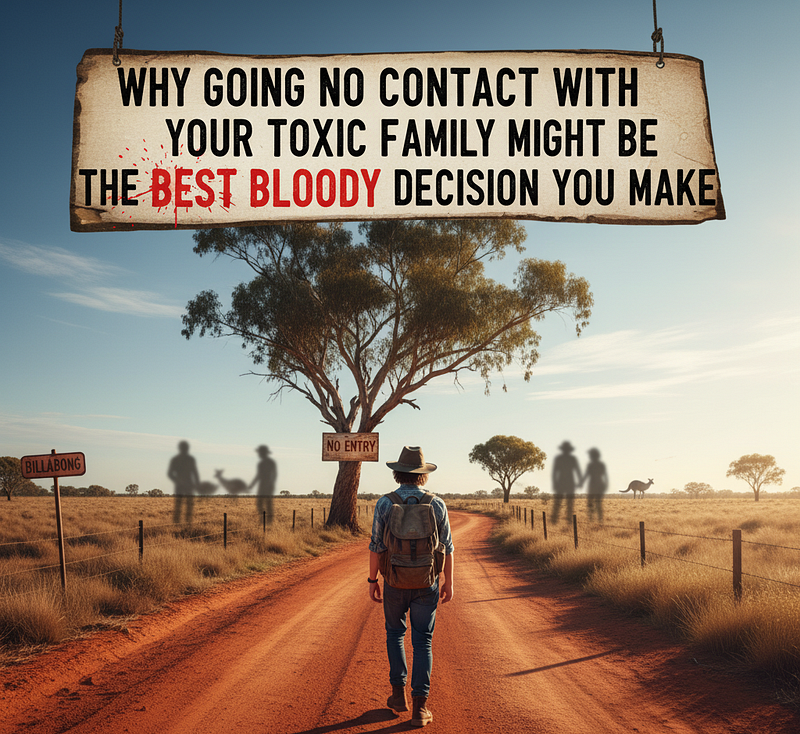
Fair dinkum, let’s be honest here: deep down you’ve pictured a life without the constant drama from your family. No more obligatory phone calls that leave you absolutely drained, no more walking on eggshells at Christmas lunch. It’s a thought most people push away, but for millions of Aussies and people worldwide it’s become reality and they’re not looking back.
I’ve witnessed it firsthand through mates stories and online forums: the sibling who finally blocked their narcissistic parent after years of manipulation or the adult child who cut ties after divorce fallout tore the family apart. It’s raw it’s messy but bloody hell if it doesn’t feel like freedom.
The Brutal Truth About Family Estrangement Statistics
Family estrangement isn’t some rare drama it’s shockingly common. About 27% of Americans are estranged from at least one family member according to recent studies. That’s one in four people quietly dealing with fractured ties and the numbers are similar across Western countries including Australia.
Dig deeper, and the statistics become more specific. Estrangement from fathers hits harder than from mothers, with 81% of cases involving dads. It often starts in your mid-twenties, around age 26 for maternal cutoffs. No wonder “no contact with family” searches are spiking people are waking up to toxic dynamics and refusing to tolerate them any longer.
Think about it: abuse, neglect or straight-up betrayal doesn’t vanish just because you share DNA. One psychologist points out that toxic or abusive parenting remains a top reason for going no contact. It’s not always physical violence emotional manipulation counts just as much.
I recall a mate who endured years of his mum’s guilt trips over his career choices. Cutting her off? He said it was like dropping a 50-kilogram weight from his shoulders. Unresolved conflicts, like feeling sidelined in blended families or being scapegoated fuel this fire. When parents consistently choose favouritism, manipulation or outright cruelty over love and support adult children are making the difficult but necessary choice to protect themselves.
Sometimes it’s not abuse it’s a fundamental mismatch in core beliefs. Political rants at dinner, rejection of your LGBTQ+ identity or religious clashes that turn nasty. When basic respect evaporates so does the relationship.
One Reddit user nailed it perfectly: “Going no contact was one of the hardest things I’ve had to do, but it’s liberating knowing I don’t have to appease narcissists anymore.” That’s the hidden angle many people miss estrangement isn’t failure; it’s self-preservation in action.
The Real Benefits of Cutting Off Toxic Family
Let’s be blunt about this: staying in toxic family relationships absolutely tanks your mental health. Cutting ties? It completely flips the script.
You reclaim energy you didn’t even know was being stolen less anxiety more focus on your own life and goals. Your self-confidence blooms without constant criticism undermining every decision. Boundaries become second nature and suddenly healthier people begin showing up in your world.
Mental health improves dramatically. One expert notes that going no contact ends generational cycles of toxicity, preventing the damage from being passed down to your own children. It’s exhilarating and refreshing like starting fresh without decades of emotional baggage weighing you down.
It’s Not Selfish It’s Survival in a Broken System
Australian society like many others pushes the “blood is thicker than water” myth but honestly stuff that. If family means endless pain and psychological damage walking away is pure survival. As one estranged adult put it perfectly, “I mourn the idea of having a close family but I did this for my own sanity and wellbeing.”
Critics call it selfish but the data shows it’s a response to real psychological harm not some trendy lifestyle choice. Going no contact with toxic family isn’t easy but the payoff? Psychological freedom and emotional resilience that you build entirely on your own terms.
Why Treating Every Relationship Like It’s Temporary Could Be Your Secret to Inner Peace
Let’s be real about something uncomfortable: deep inside, you know that no bond whether with a partner, friend or chosen family lasts forever. Yet most of us grip onto them like lifelines, terrified of the inevitable fallout. Admitting they’re all fleeting? That’s the uncomfortable truth we dodge but leaning into it might just unlock a level of freedom you didn’t know existed.
I’ve crossed paths with people who build their world around understanding the temporary nature of relationships. They create chosen families of partners, friends and even meaningful connections with strangers all whilst acknowledging these bonds feel profoundly transient. It’s not cold or uncaring it’s brutally honest. In my own observations letting go of the illusion of permanence has turned painful goodbyes into quiet peaceful acceptances.
The Stark Statistics on How Relationships Fade
Friendships don’t stick around as long as we’d prefer to believe. Research shows the average friendship lasts just seven years, with half your close circle changing over in that timeframe. Another poll suggests 17 years, but even then, only 17% claim to have maintained a best mate for over three decades.
People are spending less time with friends too down from six hours per week a decade ago to under three hours now, often trading social connection for solitude. No wonder searches for “impermanence in relationships” are climbing; we’re all quietly facing this natural turnover in our social circles.
Buddhism’s Blunt Take: Everything Changes Deal With It
Buddhism addresses this reality head-on with the concept of anicca impermanence as a fundamental truth of existence. Everything shifts and changes: bodies minds and yes your connections with others. The Buddha taught that clinging to what’s bound to change only breeds unnecessary suffering.
In relationships this wisdom means accepting evolution or endings without unnecessary drama. As teacher Tara Brach explains awareness of passing moments actually opens your heart to their preciousness. It’s not about detachment through indifference; it’s about loving fully whilst knowing nothing lasts forever.
One Buddhist text highlights how impermanence applies to love: things end, but that reality doesn’t negate their value whilst they exist. Embracing this understanding in modern relationships can actually save partnerships by ditching unrealistic illusions of “forever.”
Treating bonds as temporary isn’t bleak pessimism it’s genuinely empowering. It amplifies excitement and intensity making every interaction truly count. Confidence surges when you stop fearing loss and start seeing endings as natural opportunities for growth.
Relationship experts note that time apart (even just mentally) fosters personal evolution, better communication, and healthier connections overall. Short-term perspectives offer joy in the present moment without the crushing weight of eternal expectations. It’s like having a reset button for your emotional baggage.
Ancient philosopher Lao Tzu captured this wisdom perfectly: “If you realise that all things change, there is nothing you will try to hold on to.” In today’s rapidly changing world this kind of healthy detachment isn’t avoidance it’s psychological survival.
Detachment Isn’t Cold It’s Liberation From Desperate Clinging
Society sells “forever” as the ultimate goal, but that’s often a setup for inevitable heartbreak. Healthy detachment means engaging fully without possessive ownership. As one expert explains “Detachment is simply observing the events unfolding around you getting involved only when your journey naturally intersects with the experience.”
For those building chosen families on transient terms it’s a genuine spiritual upgrade. You invest wholeheartedly without unrealistic expectations turning strangers into family without the suffocating chains of obligation. However, there’s a warning here: overdo this detachment and genuine isolation can creep in. Balance remains crucial.
What if viewing every hello as a potential goodbye actually made your connections deeper and more meaningful rather than shallower?
The truth is, whether you’re cutting contact with toxic family or embracing the temporary nature of all relationships you’re choosing authentic connection over forced obligation. Your chosen family built from friends, partners and meaningful strangers might just be the healing force you’ve been searching for all along.