Australia Day and the Right to Belong
Why a nation can acknowledge its past without surrendering to its present
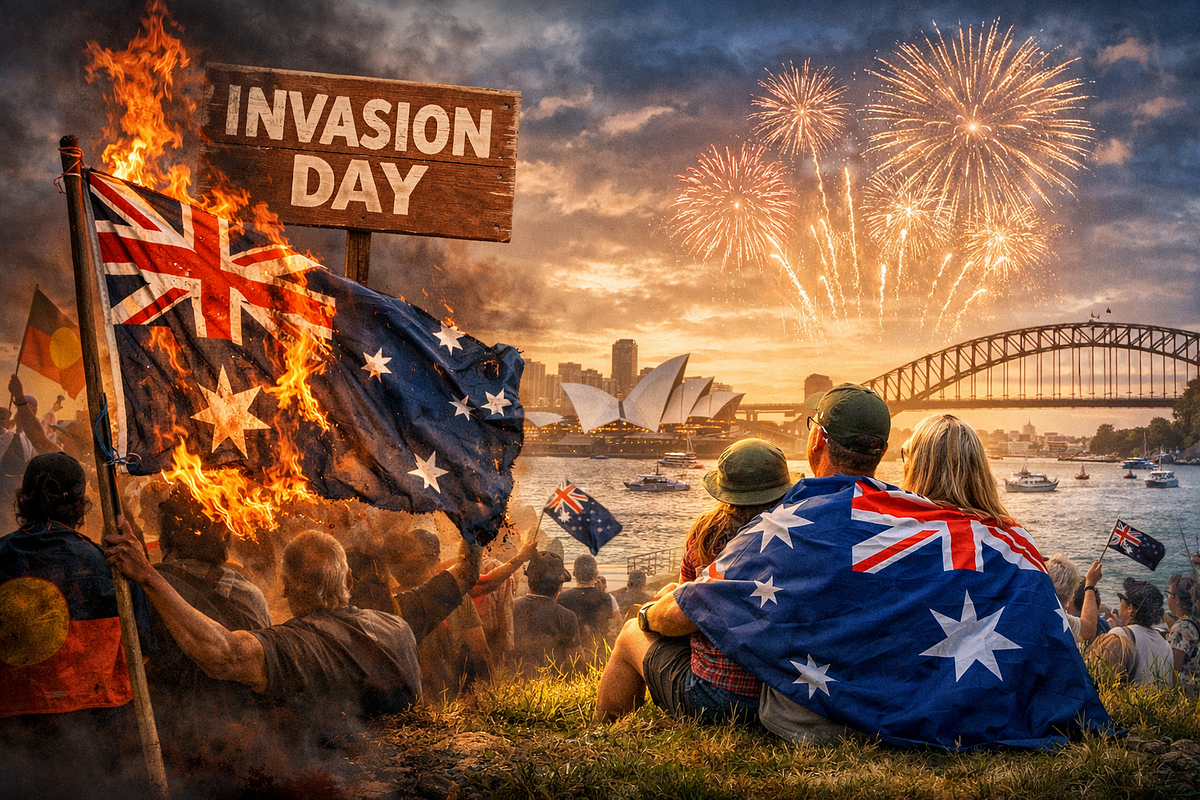
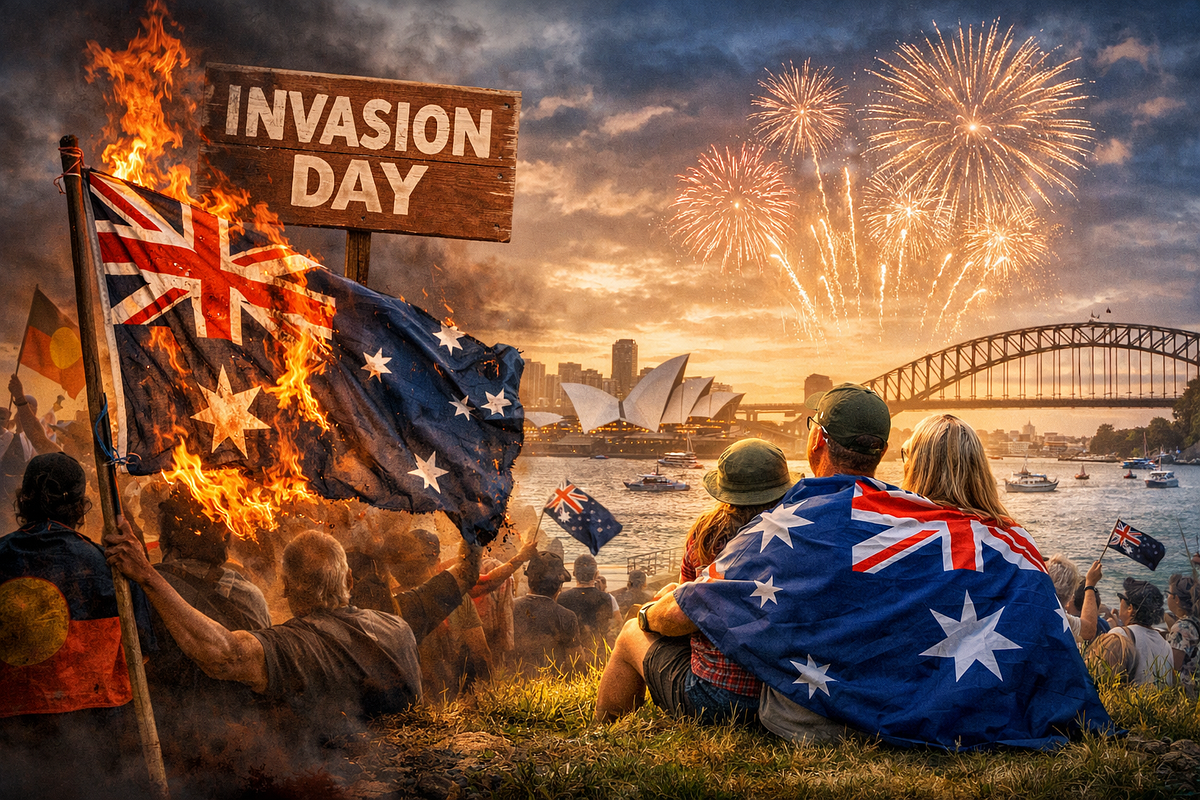
The first time Australia Day stopped being a celebration and became a battlefield for me, I was 18 years old standing behind a counter in a customer service job. I did what millions of Australians do every year. I smiled. I said “Happy Australia Day.” Most people smiled back. One didn’t.
She told me never to say that to her again. She told me I was insulting her. She told me I was British, that my people stole her country, that it was not Australia Day but Invasion Day. I stood there stunned, a teenager absorbing a level of moral accusation I neither understood nor deserved. I hadn’t colonised anything. I hadn’t invaded anyone. I had offered a greeting.
That moment lodged itself in my body. Years later, I still feel it not because her history didn’t matter but because I had been turned into a proxy for centuries of pain I did not create and could not fix.
This is where the debate has gone wrong.
Australia Day on 26 January is not a personal endorsement of colonial violence, nor is it a denial of Indigenous suffering. It is a civic marker. It is a date that has been recognised, observed, formalised and woven into national life for generations. It marks the beginning of the modern Australian state, imperfect, flawed and real. Nations do not get to choose pristine origins. Every country on earth is built on conquest, displacement, conflict or collapse. Australia is not unique in this. It is simply honest about it even when honesty hurts.
What has crept in instead is a moral absolutism that demands contemporary Australians inherit guilt as identity. Not responsibility to do better, but permanent shame. Not historical literacy, but ritual denunciation. If you celebrate the country you live in you are told you are complicit. If you decline to apologise for something you did not do, you are told you are cruel. This is not reconciliation. This is coercion.
Words like “Invasion Day” are not neutral descriptors. They are weapons. They collapse 200-plus years of history into a single moral verdict and then aim that verdict at ordinary people going about ordinary lives. They leave no room for complexity, no room for shared belonging, no room for the idea that a nation can acknowledge past wrongs while still affirming its right to exist in the present and yes, there is danger in this.
When flags are burned, when public celebrations are disrupted, when people are told they should feel ashamed for expressing national pride, something corrosive is taking place. A society cannot survive on permanent self-loathing. A country that teaches its children that their national story is only theft and cruelty should not be surprised when those children feel unanchored, resentful or indifferent to the idea of common good.
This does not mean Indigenous history should be silenced. It means it should be told with seriousness, depth and respect not reduced to slogans. It means recognising that today’s Aboriginal Australians are not a monolith, just as non-Indigenous Australians are not. Many Indigenous people celebrate Australia Day. Many do not. That diversity is real, even when activists pretend it isn’t.
The uncomfortable truth is this: Australia Day exists because Australia exists. Changing the date does not heal intergenerational trauma. Renaming the day does not rebuild communities. Shaming teenagers behind shop counters does not create justice. What it does do is fracture social trust and replace shared citizenship with permanent grievance.
A mature nation can hold two truths at once. The arrival of the British caused profound harm to Indigenous peoples and modern Australia is a legitimate nation with a right to celebrate itself. These truths are not enemies unless we insist they must be.
If reconciliation means anything, it cannot be built on intimidation, accusation or the demand that one group endlessly abase itself so another can feel heard. It must be built on honesty without hysteria, remembrance without weaponisation and a future that belongs to everyone who lives here now.
Australia Day on 26 January is not going anywhere because it is anchored in reality, not ideology. The country will continue. People will continue to gather, barbecue, swim, laugh and reflect and if we are serious about unity, the task is not to tear that down but to widen the circle so remembrance and belonging can coexist.
A nation that can’t celebrate itself can’t survive and a nation that refuses complexity will never heal.
Thanks for reading Awakened Voices! This post is public so feel free to share it.